Outlook·The Forty-Something Strikers (Ronaldo vs. Father Time)
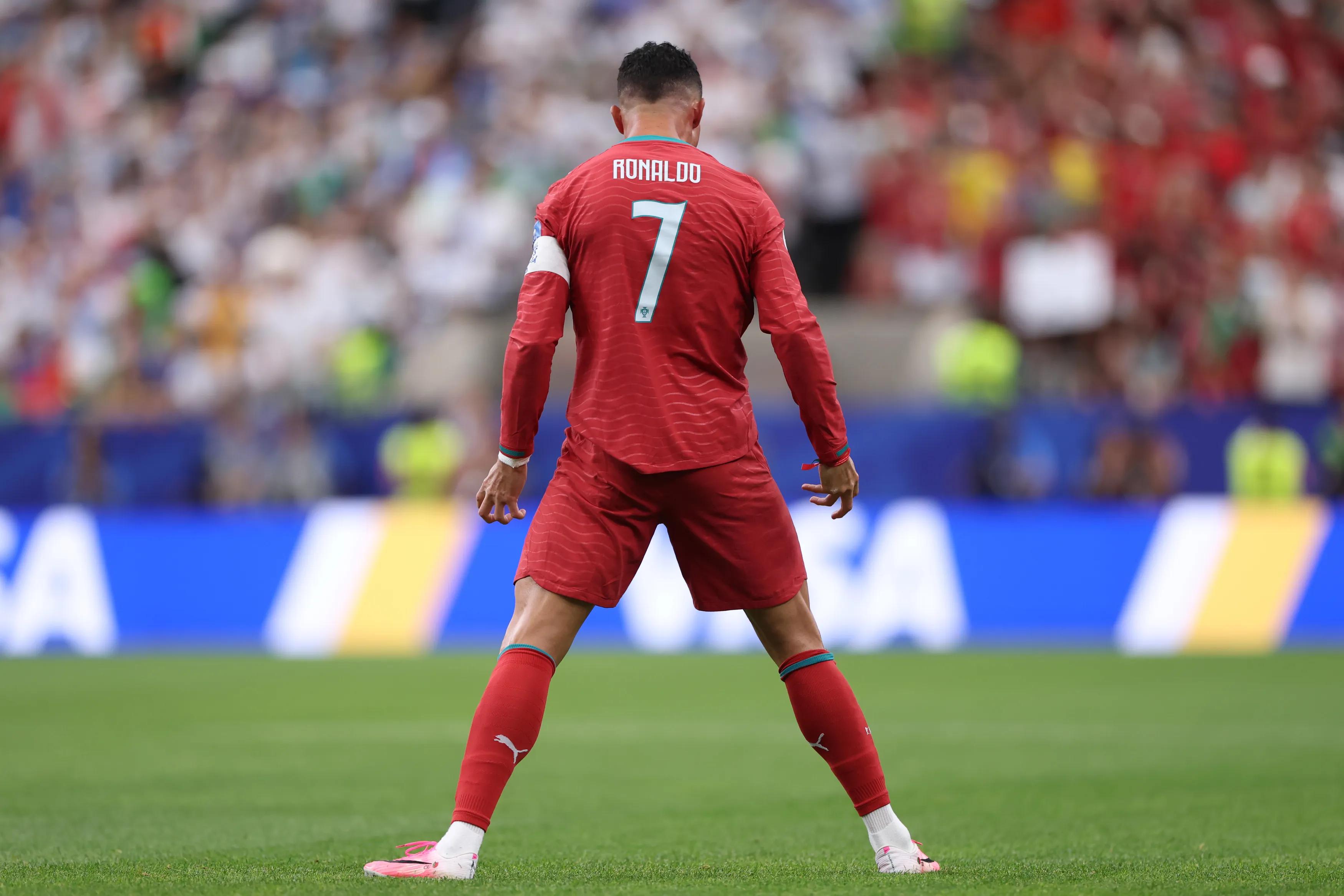
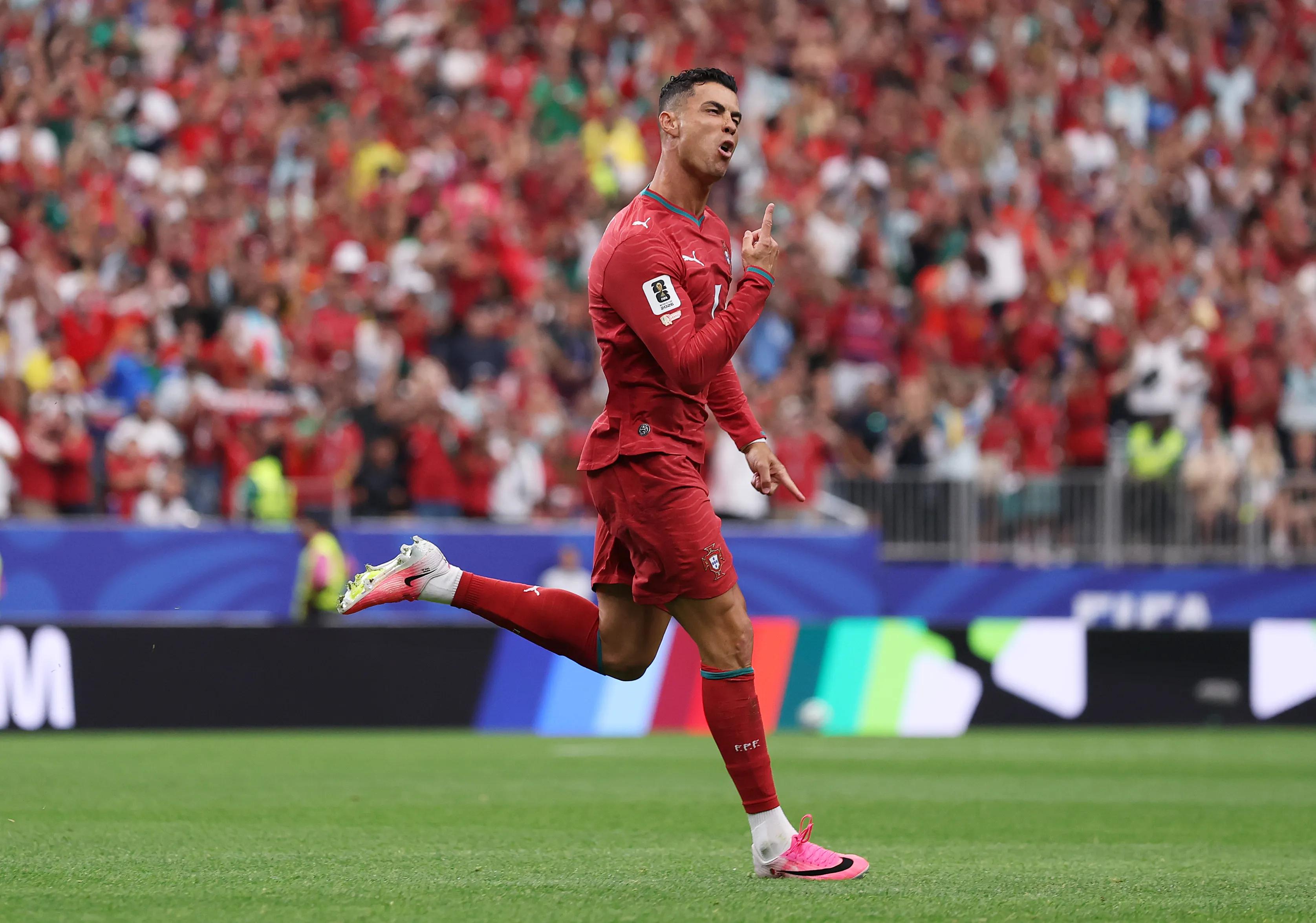
On the grand stage of the 2026 World Cup, a singular narrative has captured the imagination of audiences from New Jersey to São Paulo: the spectacle of a striker defying the calendar well into his fifth decade. Cristiano Ronaldo, at forty-one, has refused to step aside, and his continued presence at the summit of the sport has reignited conversations that stretch back three decades, to when Roger Milla danced at a corner flag at an age most professionals consider long retired. The anticipation building around his next appearance is not merely about records; it is about witnessing the impossible become routine. The coming fixture offers both opportunity and peril. Defenses across the tournament have been schooled to suffocate space, to compress the gaps where poachers once thrived. Yet Ronaldo's enduring weapon is not pace but anticipation—the split-second recognition of where the ball will arrive before it has left the boot. The opposition back line will be young, athletic, and eager to make a name by silencing a legend. If the supply from midfield is precise, the veteran's predatory instincts could still punish any lapse. If the service falters, the occasion may deteriorate into a fruitless chase against fresher legs. What elevates this beyond sport is the generational echo it triggers. Fathers who once watched Milla on grainy broadcasts now sit beside sons tracking Ronaldo's every touch on smartphones, the same stadium hosting both memories decades apart. The phenomenon of age-defying scorers has become a rare shared language between eras, a bridge across which grandparents and grandchildren trade wonder. The numbers, impressive as they are, matter less than the visceral proof that decline is not always inevitable. The crowd will rise every time he touches the ball, knowing each appearance could be the last. Will Portugal's ageless marksman be ready for what comes next?
"Winds of change rising"