Preview·Portugal's Atlantic Pilgrimage (Seleção vs. the Weight of Eusébio)
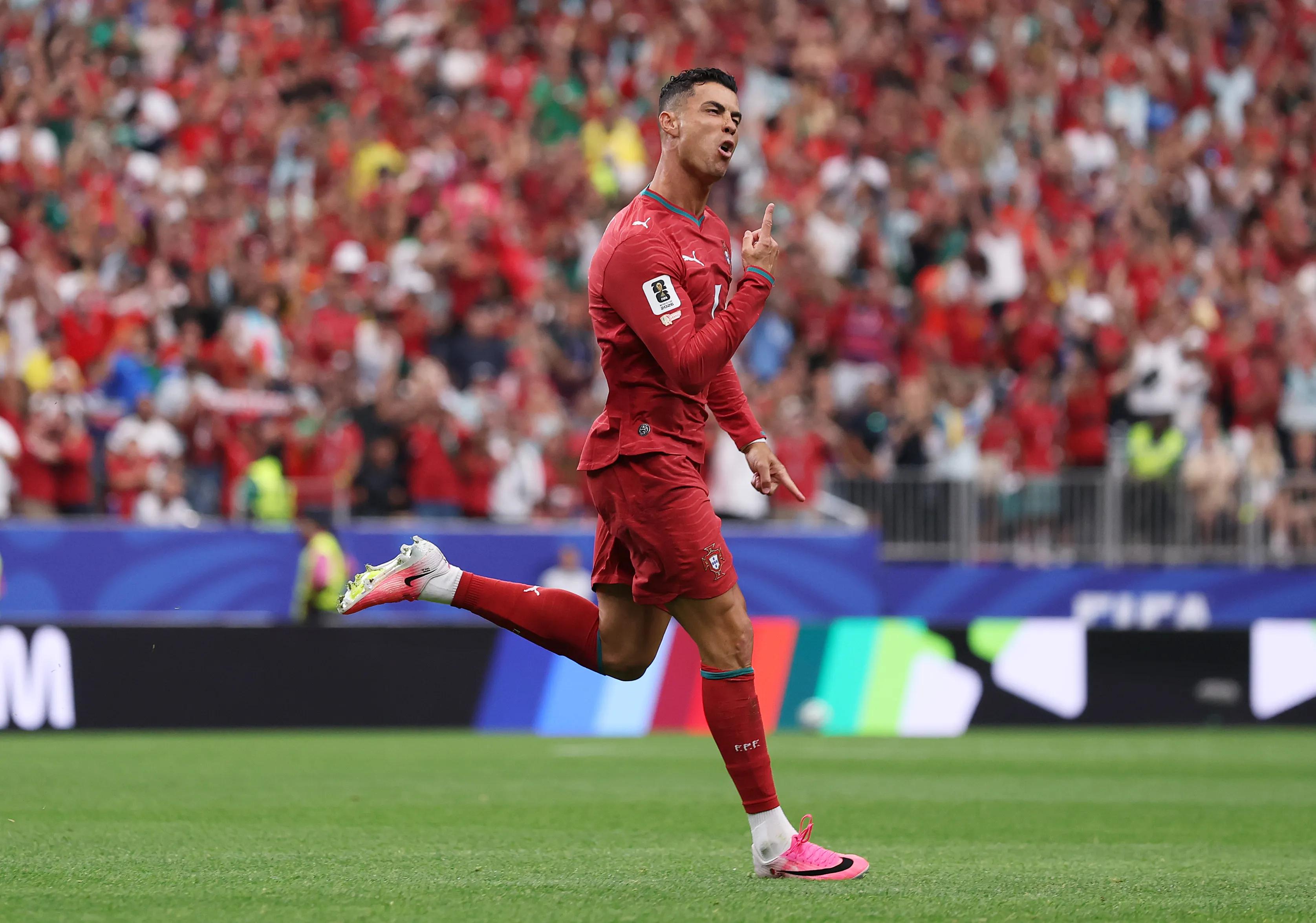
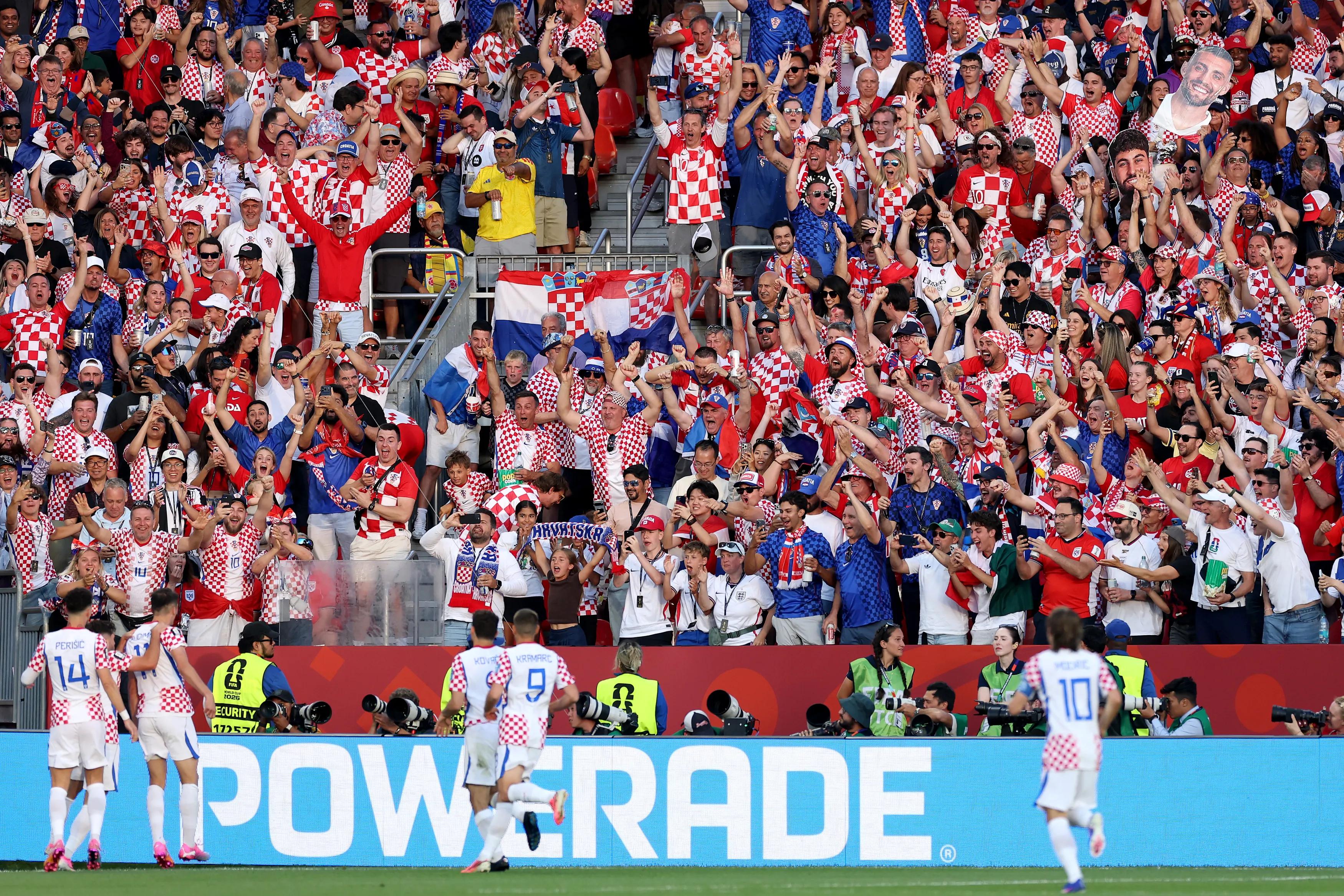
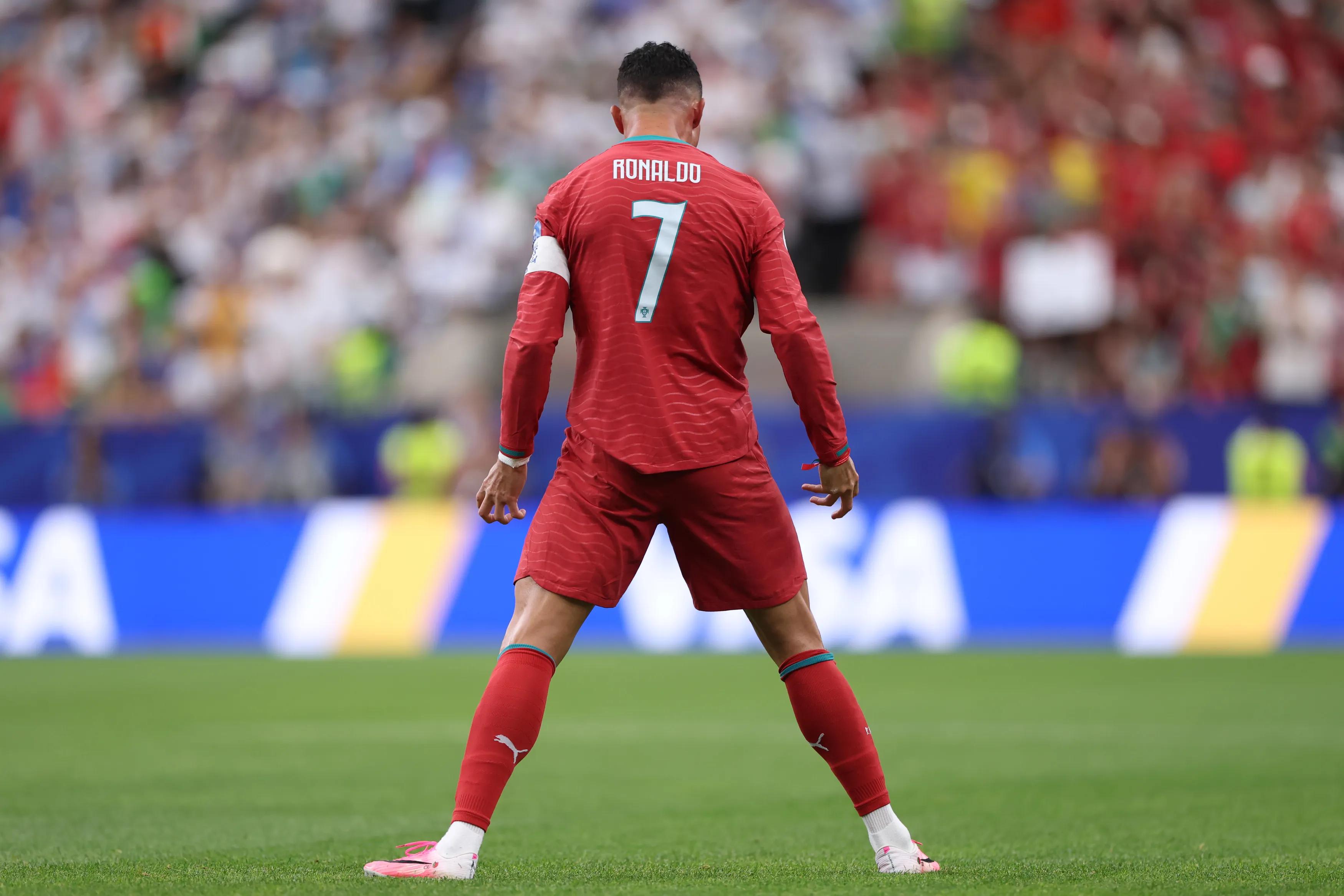
From the volcanic shores of the Azores to the concrete expanses of New Jersey, a transatlantic pilgrimage reaches its crescendo as the 2026 World Cup enters its decisive phase. Portuguese communities scattered across North America have converged on the host stadiums, carrying with them the salt-stained memory of a fishing village father who once whispered stories of the Black Panther into his son's ear. The Seleção das Quinas, anchored by an ageless captain chasing records once thought uncatchable, stands at the threshold of another defining night. The challenge ahead is twofold. The opposition arrives with a defensive structure designed to frustrate and to exploit the spaces left by Portuguese attacking ambition. Portugal's strength lies in individual brilliance—moments where a single touch can unravel the most disciplined block—but that brilliance requires service, movement, and the willingness to share the burden. The midfield must supply the frontline with precision, while the defense must resist the temptation to overcommit. If the veterans can impose their rhythm and the younger contributors find their nerve, the attacking patterns may finally pierce the wall. If selfishness creeps in or the tempo drops, the evening could degenerate into a stalemate of Portuguese frustration. Behind the team stands a diaspora that has measured its identity against this squad for decades. In the fishing villages of São Miguel, families gather around phones held to radios, listening to commentary crackling across the Atlantic. In Newark and Elizabeth, the streets bloom with red and green each matchday, elders retelling the Eusébio legend to children who now worship a different idol. The thread is unbroken, even as the names along the back of the shirt change. To be Portuguese in 2026 is to inherit both the dream and the longing that the dream be fulfilled at last. The knockout rounds offer neither mercy nor memory, only the cold calculus of ninety minutes. Will the Seleção be ready for what comes next?
"Advisory in effect"