Outlook·Ghana's Ancestral Mission (Black Stars vs. the African Ceiling)
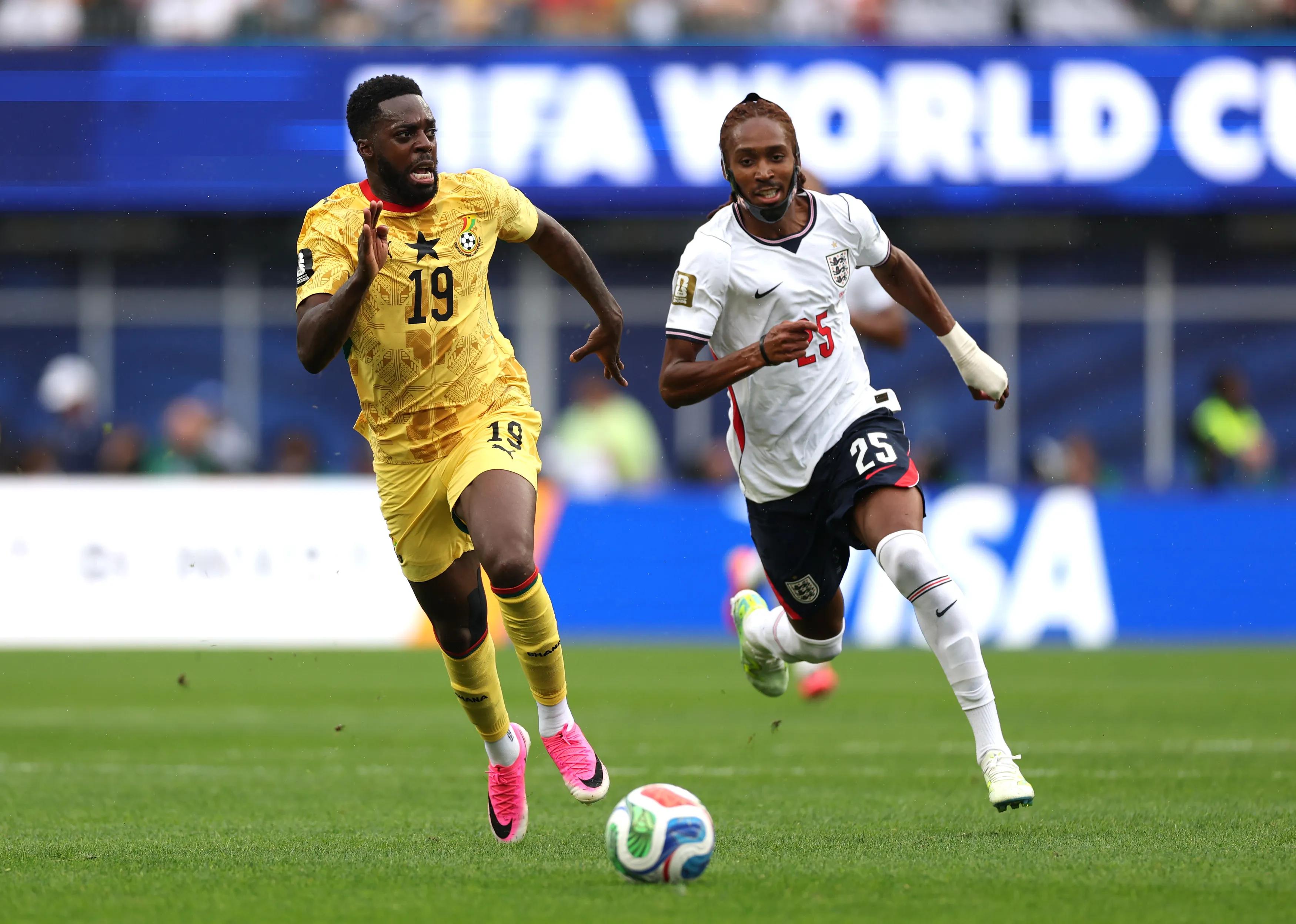
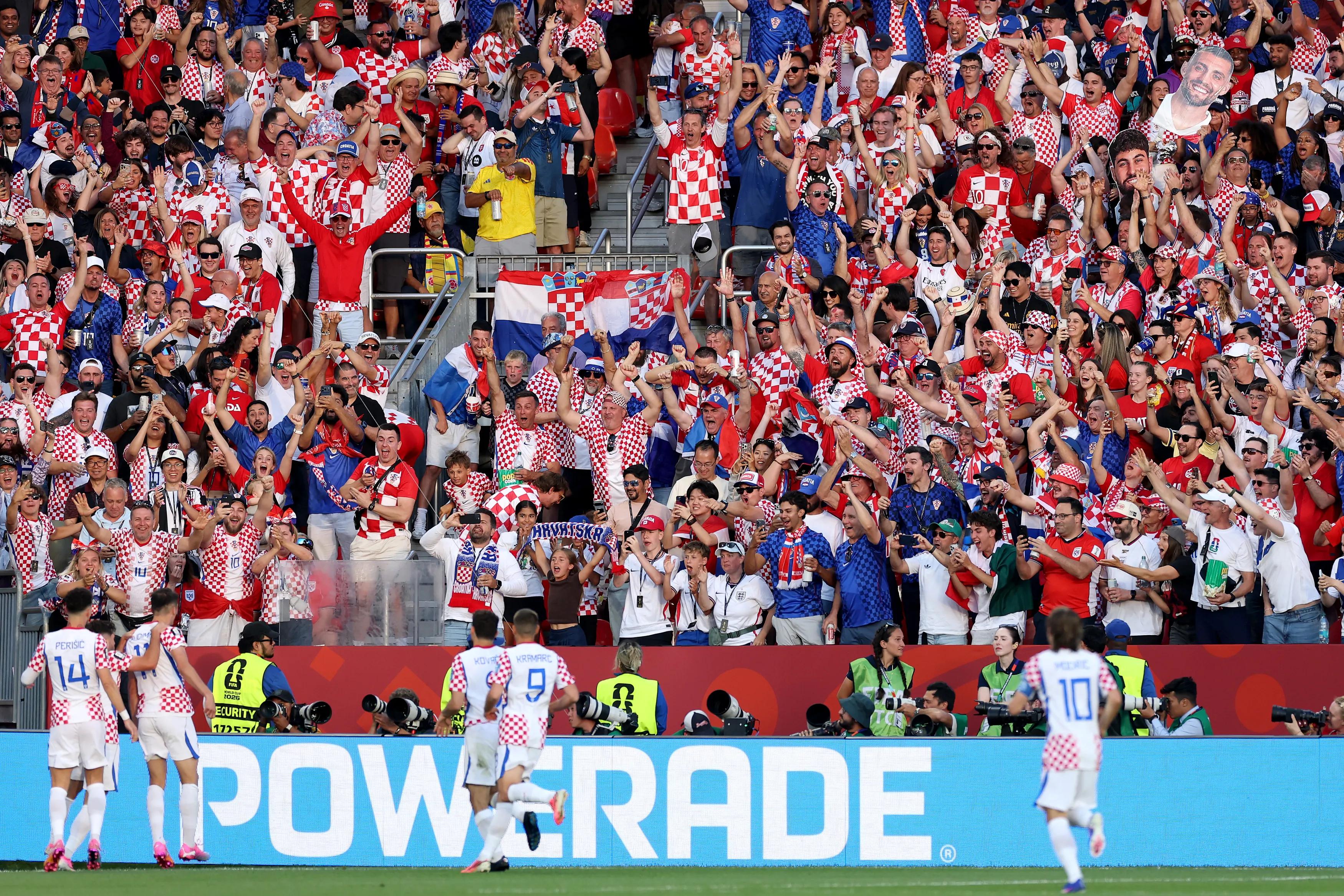
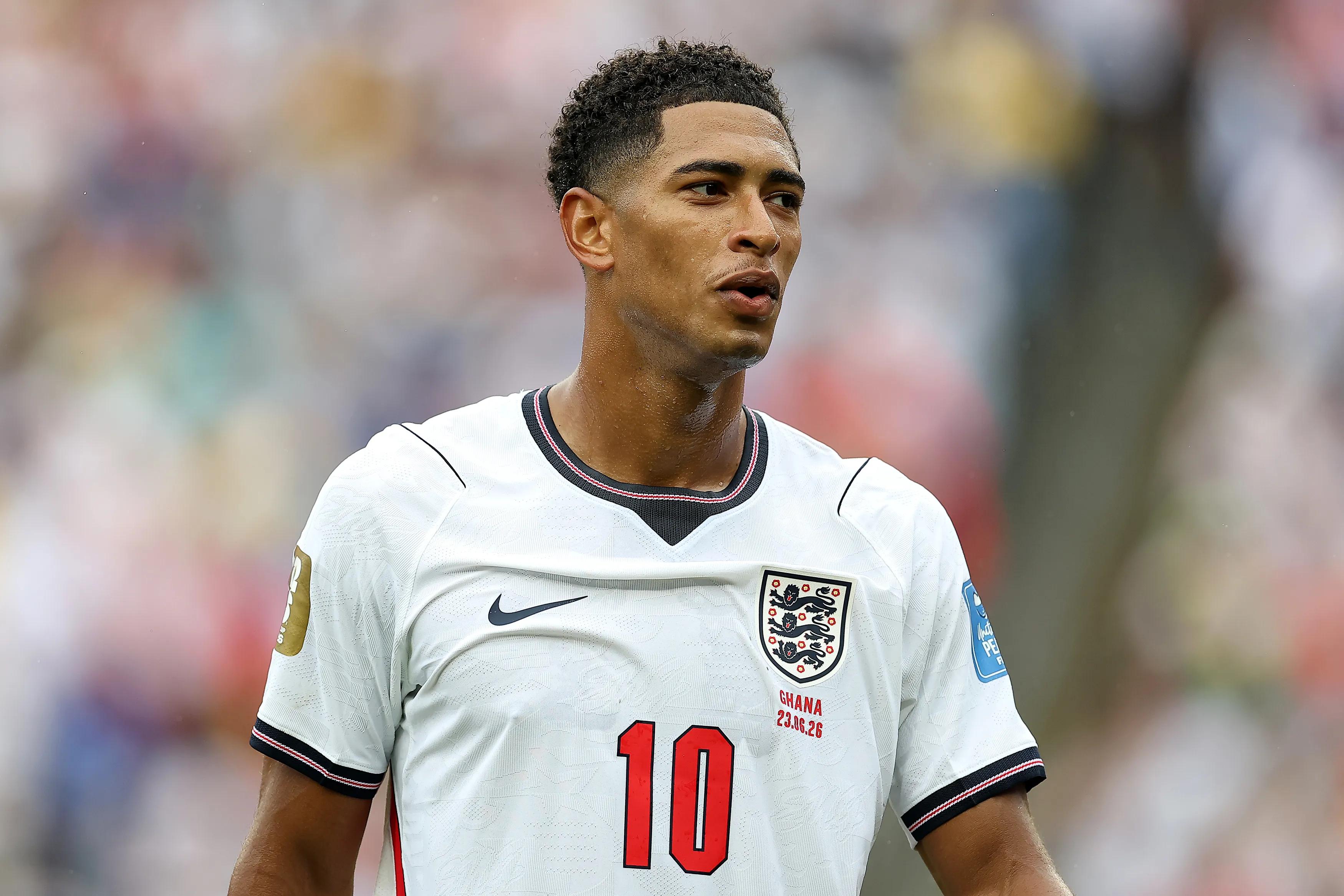
In a Houston stadium pulsing with the harmonies of Twi and the rhythmic pounding of drums, the Black Stars prepare to step into a fixture weighted with continental significance. The 2026 World Cup, hosted across the United States, Canada, and Mexico, has offered Africa's representatives their most expansive stage yet, and Ghana carries the accumulated hope of a generation raised on the memory of Cameroon's 1990 march. A faded bedsheet flag, painted by hand and tied to railings, proclaims the lineage plainly: 1990 Cameroon, 2026 Ghana. The tactical confrontation ahead will demand both discipline and daring. The opponent is a traditional European power, technically superior on paper, accustomed to dictating terms. Ghana's path to an upset lies in aggressive pressing, rapid transitions, and the kind of physicality that can unsettle composed sides. The midfield battle will be decisive; if the Black Stars can disrupt the opponent's rhythm and force turnovers in advanced areas, the pace of their forwards could prove decisive. Yet history warns against naive ambition—overcommitment against elite opposition has often produced painful lessons. A measured balance, absorbing pressure and striking surgically, may offer the surest route to a famous result. The stands tell a story of their own. Supporters who flew from Accra via London, who emptied savings accounts for the privilege of a single ticket, sing with a conviction that defies the odds. They carry the inherited grief of near-misses, the ghost of a 2010 handball, and the certainty that another African side must eventually finish what was started decades ago. Around them, a coalition of diaspora fans from Senegal, Nigeria, and Côte d'Ivoire has lent their voices, transforming the section into a pan-African choir. This is no longer merely Ghana's match; it is the continent's. The knockout stage permits no rehearsals, no second chances. Will the Black Stars be ready for what comes next?
"Eye of the storm"